The Many Uses of Light Weight Aluminum Castings: A Comprehensive Overview for Industry Professionals
Light weight aluminum spreadings play an important duty throughout numerous industries, many thanks to their distinct properties. These resilient and lightweight components are essential in auto and aerospace applications. Comprehending their benefits and the production processes included can considerably affect efficiency and effectiveness. As technology advancements, new innovations proceed to arise. Sector specialists must think about these elements to make enlightened choices. The ramifications of these growths deserve discovering better.
Advantages of Aluminum Castings in Numerous Industries
Light weight aluminum spreadings use many advantages throughout various sectors, making them a favored choice for lots of applications. Among the primary benefits is their lightweight nature, which adds to overall energy effectiveness in transportation and equipment. This decreased weight additionally enhances simplicity of managing and installation, causing reduced labor expenses.
Aluminum castings show excellent deterioration resistance, prolonging the lifespan of components in harsh settings. Their electrical and thermal conductivity enables for efficient warmth dissipation and efficient electric applications.
In addition, light weight aluminum can be easily alloyed and controlled, enabling the development of intricate forms and designs that meet certain design demands. This flexibility sustains advancement in markets such as automotive, aerospace, and durable goods.
Lastly, the recyclability of aluminum aligns with sustainable practices, making it an ecologically pleasant choice for contemporary manufacturing. In general, the advantages of aluminum spreadings position them as vital materials in various industries.
Key Manufacturing Processes for Light Weight Aluminum Castings
A selection of manufacturing procedures are made use of to develop aluminum castings, each customized to satisfy certain application needs and manufacturing volumes. Amongst the most common approaches are sand spreading, pass away casting, and investment spreading.
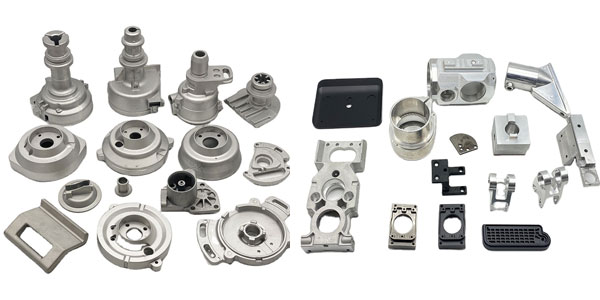
Financial investment casting, also recognized as lost-wax spreading, offers outstanding surface area finishes and complex information, frequently made use of for smaller sized, precision components. Additionally, gravity spreading utilizes the pressure of gravity to load mold and mildews, appropriate for bigger castings where precision is much less important. Each process has its benefits, dealing with diverse commercial needs while optimizing performance and top quality in aluminum spreading production.
Applications of Light Weight Aluminum Castings in Automotive and Aerospace
In various applications within the aerospace and vehicle industries, aluminum spreadings play an important duty due to their light-weight residential properties and outstanding strength-to-weight proportion. In the auto market, components such as engine blocks, transmission situations, and wheel edges are usually produced utilizing light weight aluminum spreadings. These components benefit from decreased weight, bring about improved gas efficiency and boosted performance.
In aerospace, aluminum castings are important for architectural components, consisting of aircraft frames, touchdown equipment, and engine housings. The product's resistance to corrosion and capacity to stand up to heats make it optimal for these requiring applications. Additionally, light weight aluminum spreadings promote complex geometries, making it possible for the layout of intricate parts that contribute to total aircraft performance.
Developments and Developments in Light Weight Aluminum Spreading Innovation
As markets remain to advance, technologies in light weight aluminum spreading modern technology are driving substantial renovations in effectiveness and efficiency. Advanced methods such as 3D printing and casting simulation software program have actually changed standard techniques, permitting more precise designs and minimized waste. These innovations enable suppliers to develop complex geometries that were formerly unattainable, improving the convenience of aluminum spreadings.
Furthermore, the advancement of new alloy compositions and treatment methods has actually boosted mechanical buildings, making spreadings lighter yet stronger. Automated processes are additionally being integrated, decreasing human mistake and increasing manufacturing rate.
Ideal Practices for Picking and Utilizing Light weight aluminum Castings
When selecting and making use of light weight aluminum castings, mindful factor to consider of details standards can considerably influence the last product's performance and longevity. Market professionals ought to analyze the specific application needs, including load-bearing abilities, corrosion resistance, and thermal conductivity. Choosing the appropriate alloy is crucial, as different alloys supply varying characteristics and staminas.
In addition, comprehending the spreading process-- whether sand spreading, pass away casting, or investment casting-- will certainly affect the final product's high quality and cost-effectiveness. Quality assurance steps, such as non-destructive screening and dimensional evaluations, are essential to ensure that the spreadings satisfy market requirements.
Moreover, appropriate handling and storage space of light weight aluminum spreadings can avoid damages, assuring peak performance. Working together with respectable distributors who prioritize top quality control can enhance the reliability of the completed components. By adhering to these best practices, sector professionals can take full advantage of the benefits of aluminum castings in their applications.
Regularly Asked Questions
What Are the Environmental Effects of Aluminum Spreading Manufacturing?
Light weight aluminum spreading production can result in considerable ecological influences, consisting of greenhouse gas discharges, energy consumption, and resource deficiency. In addition, i was reading this improper waste monitoring might cause dirt and water contamination, affecting neighborhood ecological communities and neighborhoods.
Exactly How Do Aluminum Castings Compare to Other Steel Castings?
Light weight aluminum spreadings are lighter and corrosion-resistant contrasted to other steel spreadings like iron or steel. They supply superior thermal and electric conductivity, making them excellent for applications where weight and sturdiness are essential variables.
What Is the Price Distinction Between Aluminum and Various Other Products?
The cost of aluminum spreadings generally varies from modest to high, usually a lot more budget-friendly than stainless steel yet costlier than some plastic options. Wisconsin Aluminum Foundry. Aspects such as production quantity, material, and intricacy specifications greatly affect overall prices
Can Light Weight Aluminum Castings Be Reused?
Aluminum castings can without a doubt be reused. This process considerably minimizes energy usage and environmental effect contrasted to producing new aluminum, making recycling a necessary practice in promoting sustainability and source conservation within different sectors.
What Safety Procedures Should Be Taken Throughout Aluminum Casting Processes?
During light weight aluminum spreading procedures, important precaution consist of using protective gear, ensuring proper air flow, making use of heat-resistant devices, preserving devices, and complying with security protocols to stop direct exposure to unsafe products and decrease the danger of mishaps. (Aluminum Foundry)
Sand casting click to read includes developing a mold from sand, allowing for complex forms and huge castings. Financial investment spreading, additionally understood as lost-wax casting, provides phenomenal surface coatings and complex details, commonly utilized for smaller sized, precision parts. Furthermore, gravity casting makes use of the pressure of gravity to fill mold and mildews, ideal for bigger castings where precision is much less essential. In addition, understanding the spreading process-- whether sand spreading, die spreading, or financial investment casting-- will certainly influence the final item's top quality and cost-effectiveness. Aluminum spreadings are lighter and corrosion-resistant compared to other steel spreadings like iron or steel.
Comments on “Why Metal Castings remain vital in modern production”